
Inflation, cost hikes threaten financial security for some seniors
· CBC News ·
Many seniors are having to make tough choices as a rising cost of living compounds difficulties brought about by two years of life during the pandemic
Canadians are now facing rising inflation and increasing costs for everything from groceries to electricity bills. For seniors, many of whom live on a fixed income, those issues are amplified by the costs of aging.
“We’re seeing situations where people are making really difficult decisions between covering their utility costs and covering the costs for food,” said Karen McDonald, executive director for the Edmonton-based Sage Seniors Association.
“Some very difficult phone calls are being made to social services organizations to try and guide seniors through how to access any programs that are available to try and address those costs.”
McDonald said one noticeable change is that seniors, who have typically been hesitant to access services like the food bank, are now taking up the option.
However, McDonald said it’s important to recognize older Canadians are not a monolithic demographic and span across many different backgrounds and incomes.
Newer seniors from the baby boomer generation are more likely to be working, she said, for a variety of reasons including covering aging costs without employer pension benefits.
Newcomers face their own challenges due to requirements to have lived in Canada for at least ten years to receive the Old Age Security pension.
“[It] is a real challenge for seniors who are living in multi-generational families, particularly during the pandemic.”
Job losses, caregiving for kids at home and fears of contracting COVID-19 have left some without much-needed employment.
Fixed income
Pensioners and those on fixed income are also feeling the squeeze.
“People’s ability to respond to increased cost of living is obviously limited later in life when we’re no longer necessarily in paid employment,” McDonald said.
Laura Tamblyn Watts, CEO of the national seniors advocacy group CanAge, says pensions used to be a three-legged stool: personal savings, government savings, and private pension.
“Most people don’t have a private pension any longer,” she said. Volatile markets have had their own impact on saings like TFSAs or RRSPs, Tamblyn Watts said.
Various government programs are not designed to keep up with rising costs.
The Alberta Seniors Benefit, which supports low-income single seniors of $29,285 or less and senior couples making under $47,545, is not indexed to the cost of living.
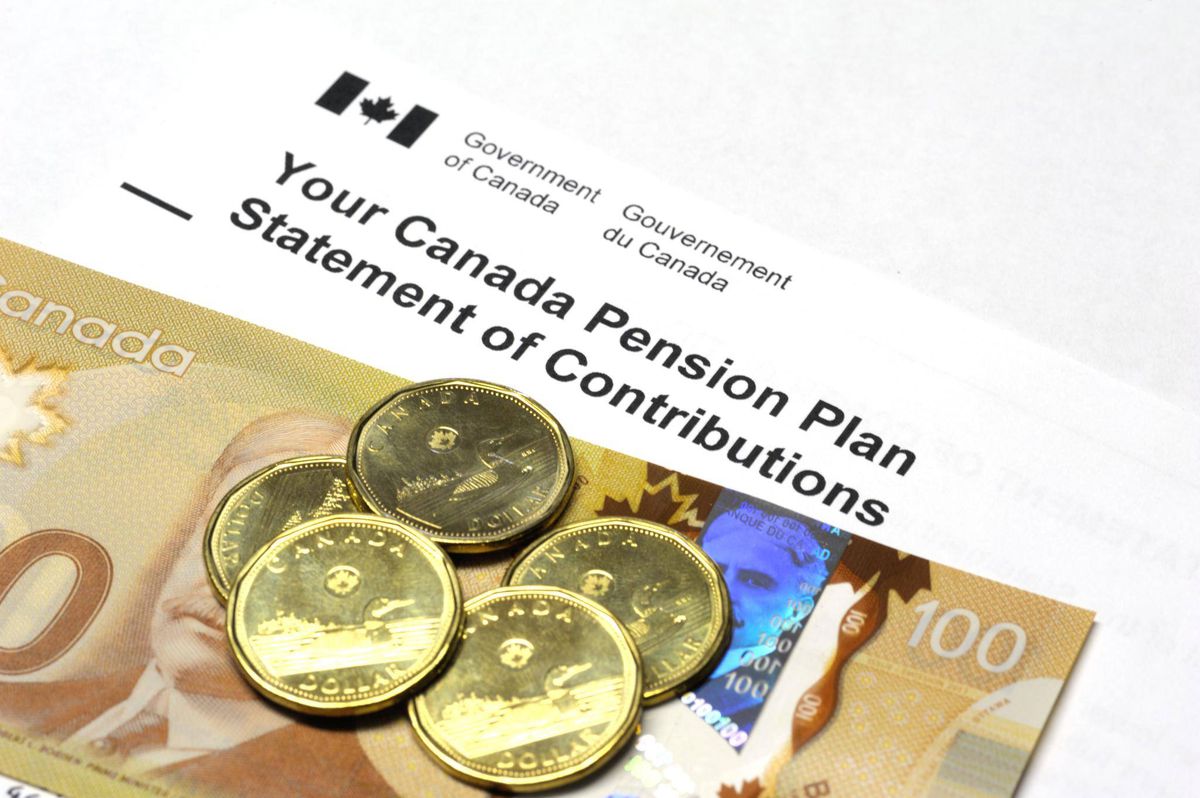
Federally, the Canadian Pension Plan is adjusted once each year according to the consumer price index, a measure for the rate of price changes for goods and services.
The indexing rate for 2022 is 2.7 per cent, based on the previous year, but the January year-over-year increase was calculated to be almost double that.
Aging in place
The rising cost of living and pandemic impacts are compounded by the baseline costs of aging in place, which McDonald said many might not be aware of.
“We know that older adults most often want to age in their communities and in their home,” she said.
But those staying within their home often have to hire assistance for things like housekeeping, snow removal or yard work. Even congregate care facilities come with their own costs not covered by the government, McDonald said.
Tamblyn Watts said there’s also a misconception that homeowners can simply sell their homes and live well. She said the reality is that rents are often higher than mortgage payments while retirement homes can be even more expensive.
What’s needed is more creative solutions like home share programs or tax deferrals for property taxes, Tamblyn Watts said.
“For many, they’re actually trapped in the home ownership. It’s not a solution to their problems.”
source: https://www.cbc.ca/news/canada/edmonton/seniors-facing-tough-choices-as-the-cost-of-living-rises-advocates-say-1.6380557
